Masgonzola is not your average blue cheese. It is a smart and delicious blend that brings together two famous Italian cheeses: Gorgonzola and Mascarpone. From Gorgonzola, masgonzola gets its bold blue cheese character. From Mascarpone, it gets smoothness, creaminess, and a gentle sweetness that balances the sharp bite of blue mold.
In simple words, masgonzola is a creamy blue cheese that is softer, milder, and more approachable than traditional blue cheeses. It is made for people who enjoy rich flavors but do not want something too strong or overwhelming.
Over the last few years, masgonzola has gained attention among chefs, food lovers, and home cooks in the United States. It is used in gourmet dishes, cheese boards, pasta sauces, and even desserts. Its versatility and balanced taste make it special.
This article is a complete, in-depth guide to masgonzola. You will learn what it is, how it is made, how it tastes, how to use it, and why it stands out from other cheeses. The goal is to give you real value, clear explanations, and practical insights that go beyond basic descriptions.
What Is Masgonzola
Masgonzola is a blended cheese that combines Gorgonzola blue cheese with Mascarpone cheese. It is not a traditional cheese with a long historical recipe. Instead, it is a modern innovation created to solve a common problem: many people find blue cheese too strong, too salty, or too sharp.
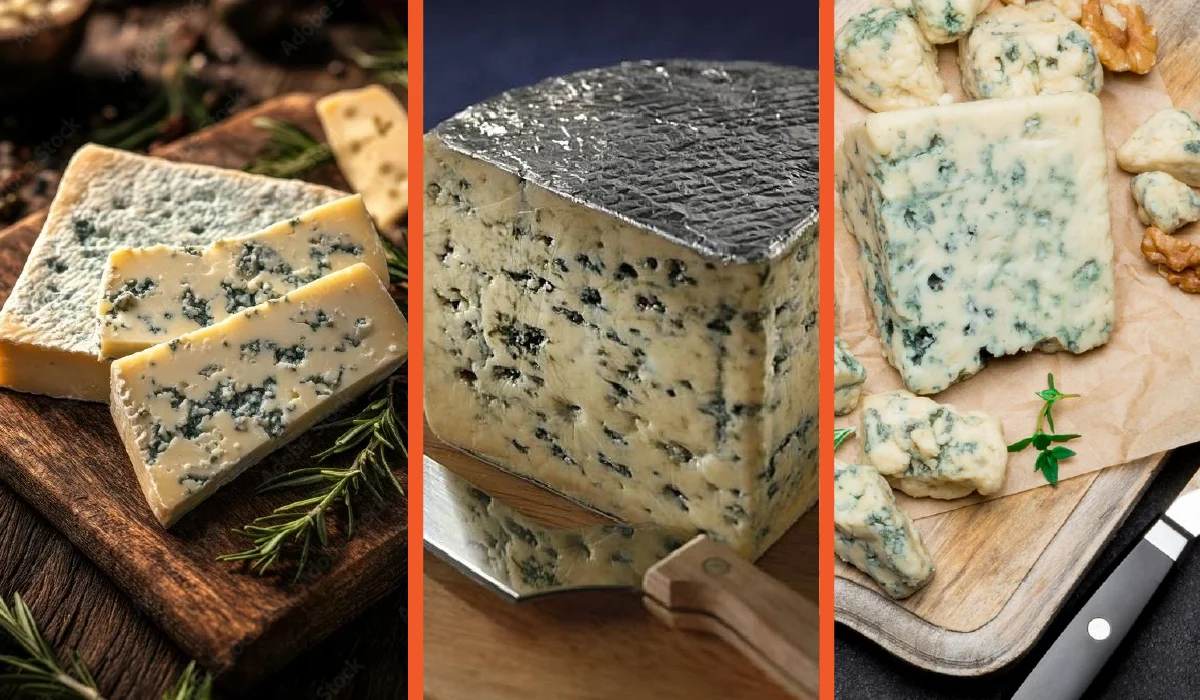
By mixing Gorgonzola with Mascarpone, cheese makers create a product that keeps the personality of blue cheese but makes it smoother and easier to enjoy.
Masgonzola is usually sold as a soft, spreadable cheese. It has a pale white to ivory base with light blue veins running through it. The blue veins are much softer and less aggressive than those found in aged blue cheeses.
The texture is creamy, almost like whipped butter or thick cream cheese. This texture makes masgonzola easy to spread, melt, or blend into recipes.
The Origins of Masgonzola
Masgonzola does not come from a centuries-old tradition like Parmigiano Reggiano or Gorgonzola itself. Instead, it comes from modern Italian cheese craftsmanship.
Italian cheese makers are known for respecting tradition while also experimenting with new ideas. Masgonzola is one of those experiments that worked extremely well.
The idea likely started when producers noticed that people loved the flavor of Gorgonzola dolce, which is already milder than aged Gorgonzola piccante, but still found it too intense. By adding Mascarpone, which is sweet, creamy, and neutral, they could soften the overall flavor.
The result was masgonzola, a cheese that appeals to a wider audience while still honoring Italian cheese culture.
Today, masgonzola is produced both in Italy and by specialty cheese makers in other countries, including the United States.
Understanding the Two Cheeses Behind Masgonzola
To fully understand masgonzola, it helps to understand its two main components.
Also Read: ahgrl: Meaning, Usage, and Digital Culture Guide for Online Communities
Gorgonzola
Gorgonzola is a famous Italian blue cheese made from cow’s milk. It has a strong identity, with blue-green mold veins and a sharp, salty flavor.
There are two main types of Gorgonzola:
- Gorgonzola dolce, which is younger, creamier, and slightly sweet
- Gorgonzola piccante, which is aged longer and has a stronger, spicier taste
Masgonzola usually uses Gorgonzola dolce because it is softer and less aggressive.
Mascarpone
Mascarpone is a fresh Italian cream cheese made from cream, not milk. It is very rich, smooth, and mildly sweet. Mascarpone is best known as the main ingredient in tiramisu, but it is also used in savory dishes.
Mascarpone has no sharpness and no saltiness. Its role in masgonzola is to calm the blue cheese and add a luxurious mouthfeel.
How Masgonzola Is Made
The production process of masgonzola is simpler than that of traditional aged cheeses, but it still requires skill and quality ingredients.
First, high-quality Gorgonzola is selected, usually Gorgonzola dolce. Separately, fresh Mascarpone is prepared.
The two cheeses are then blended together in specific proportions. The exact ratio can vary depending on the producer. Some versions are more blue-forward, while others are more creamy and mild.
The blending process must be gentle to keep the blue veins visible and evenly distributed. Once mixed, the cheese is allowed to rest so the flavors can marry.
Masgonzola is usually not aged for a long time. It is meant to be eaten fresh, which preserves its creamy texture and mild flavor.
Flavor Profile of Masgonzola
Masgonzola has a very balanced and pleasant flavor. This is one of the main reasons it is becoming more popular.
When you taste masgonzola, the first thing you notice is its creaminess. It feels smooth and rich on the tongue.
Then, the blue cheese flavor appears, but it is gentle. It is earthy, slightly tangy, and savory without being harsh.
There is also a subtle sweetness from the Mascarpone that rounds everything out. The salt level is moderate, making it easy to pair with many foods.
Overall, masgonzola tastes rich but not aggressive, flavorful but not overpowering.
Texture and Appearance of Masgonzola
The texture of masgonzola is one of its biggest strengths. It is soft, creamy, and spreadable straight from the refrigerator.
At room temperature, it becomes even smoother and almost mousse-like. This makes it ideal for spreading on bread or crackers.
Visually, masgonzola looks elegant. The white or pale base with soft blue marbling makes it attractive on a cheese board.
Unlike crumbly blue cheeses, masgonzola holds together well and does not dry out quickly.
How Masgonzola Is Different from Regular Blue Cheese
Many people confuse masgonzola with standard blue cheese, but there are important differences.
Regular blue cheese is usually firmer, saltier, and stronger in flavor. It can dominate a dish if not used carefully.
Masgonzola, on the other hand, is designed to be balanced. It blends into dishes more smoothly and does not overpower other ingredients.
This makes masgonzola more versatile, especially for home cooks who want to experiment without risk.
Why Masgonzola Is Popular in the United States
American food culture values comfort, creativity, and approachability. Masgonzola fits perfectly into this mindset.
Many Americans enjoy cheese but are cautious about very strong flavors. Masgonzola offers a safe entry point into blue cheese.
It also works well with popular American foods like burgers, pasta, pizza, and sandwiches.
In addition, the rise of gourmet home cooking and cheese boards has increased interest in unique but accessible cheeses like masgonzola.
Common Culinary Uses of Masgonzola
Masgonzola is extremely versatile. Below are some of the most popular ways it is used.
Also Read: LZ8948391235932AU: A Complete Guide to Understanding This Digital Parcel Tracking Key
Cheese Boards and Appetizers
Masgonzola is perfect for cheese boards. Its creamy texture contrasts well with hard cheeses and aged cheeses.
It pairs beautifully with crackers, baguette slices, pears, apples, honey, and nuts.
Pasta and Risotto
Masgonzola melts smoothly, making it ideal for creamy sauces. It can be stirred into hot pasta or risotto for instant richness.
A simple masgonzola pasta with black pepper and walnuts is a restaurant-quality dish that is easy to make at home.
Pizza and Flatbreads
Small spoonfuls of masgonzola on pizza add depth without overpowering the sauce and toppings.
It pairs especially well with mushrooms, caramelized onions, pears, and prosciutto.
Meat and Poultry Dishes
Masgonzola works well as a stuffing or topping for chicken, pork, and beef.
It melts into sauces, adding richness and complexity.
Vegetarian Dishes
Roasted vegetables like squash, broccoli, and Brussels sprouts benefit from a touch of masgonzola.
It also works well in stuffed peppers or baked dishes.
Desserts and Sweet Pairings
While unusual, masgonzola can be paired with honey, figs, or dark chocolate for a sophisticated dessert experience.
How to Store Masgonzola Properly
Proper storage is important to maintain the quality of masgonzola.
Masgonzola should be kept in the refrigerator, tightly wrapped to prevent it from drying out or absorbing odors.
It is best stored in its original packaging or wrapped in wax paper and then placed in an airtight container.
Once opened, masgonzola should be consumed within 7 to 10 days for best flavor and texture.
Nutritional Overview of Masgonzola
Masgonzola is a rich cheese, so it should be enjoyed in moderation.
It is high in fat due to the Mascarpone content, which contributes to its creamy texture.
It also contains protein and calcium, which are beneficial nutrients.
Because it is less salty than many blue cheeses, masgonzola may be a better option for those watching their sodium intake, though it is still not low-sodium.
How to Choose High-Quality Masgonzola
When buying masgonzola, look for the following signs of quality:
- A fresh, clean smell without harsh ammonia notes
- A smooth, creamy texture without excess liquid
- Even distribution of blue veins
- Clear labeling and reputable producers
Avoid masgonzola that looks dry, grainy, or overly wet.
Masgonzola vs Similar Cheeses
Masgonzola is sometimes compared to other creamy blue cheeses, but it remains unique.
Compared to Cambozola, masgonzola is often creamier and sweeter.
Compared to blue cheese spreads, masgonzola usually has better balance and more authentic cheese flavor.
Is Masgonzola Authentic Italian Cheese
Masgonzola is inspired by Italian cheese traditions, but it is not a protected designation cheese.
This means it can be made outside Italy, as long as quality standards are respected.
Italian-made masgonzola often uses authentic Gorgonzola and Mascarpone, while international versions may adapt the recipe.
The Future of Masgonzola
As consumers continue to seek unique but approachable foods, masgonzola is likely to grow in popularity.
Chefs are experimenting with it in new ways, including sauces, spreads, and fusion dishes.
Also Read: Veneajelu: The Ultimate Guide to Finnish Boat Rides
Retail availability is also increasing, making masgonzola easier to find in specialty stores and online.
Frequently Asked Questions About Masgonzola
Is masgonzola suitable for people who do not like strong blue cheese?
Yes, masgonzola is specifically designed to be milder and more approachable than traditional blue cheese.
Can masgonzola be cooked at high heat?
Masgonzola melts well but should not be overheated, as extreme heat can cause separation.
Is masgonzola gluten-free?
Yes, masgonzola is naturally gluten-free, as it is made from dairy ingredients.
Can masgonzola be frozen?
Freezing is not recommended because it can affect the texture and creaminess.
Is masgonzola pasteurized?
Most commercially available masgonzola is made from pasteurized milk or cream, but labels should always be checked.
How is masgonzola different from blue cheese dip?
Masgonzola is a real cheese blend, not a processed dip. It has a more natural flavor and texture.
Can masgonzola be used in sandwiches?
Yes, masgonzola spreads easily and adds rich flavor to sandwiches and wraps.
Conclusion
Masgonzola is a modern cheese that solves an old problem. It takes the bold character of blue cheese and makes it friendly, creamy, and versatile. By blending Gorgonzola with Mascarpone, cheese makers have created a product that appeals to both adventurous eaters and cautious beginners.
Its smooth texture, balanced flavor, and wide range of uses make masgonzola a standout choice for home cooks and professionals alike. Whether you are building a cheese board, making a creamy pasta, or exploring new flavor combinations, masgonzola offers depth without intimidation.
As interest in high-quality, approachable foods continues to grow in the United States, masgonzola is well-positioned to become a staple in kitchens and restaurants. It is more than just a cheese blend. It is an example of how thoughtful innovation can make great food even better.

