Dog skin care is one of the most important parts of pet health, but it is often ignored until problems start. Healthy skin is not just about looks. It protects your dog from infections, allergies, parasites, and constant discomfort.
This guide is designed to be a complete, SEO-optimized resource for “dog skin care” in 2026. It focuses on real solutions, natural ingredients, vet-backed practices, and simple daily routines that actually work.
Unlike basic guides, this article goes deeper into what really improves skin health and what most dog owners miss.
What Is Dog Skin Care and Why It Is So Important
Dog skin care means taking care of your dog’s skin and coat through grooming, nutrition, hygiene, and safe products. It helps maintain the skin barrier, prevent dryness, and avoid infections.
Dog skin is thinner and more sensitive than human skin. This makes it more vulnerable to:
- Allergies
- Dryness
- Bacterial infections
- Parasites like fleas and mites
When skin health breaks down, it affects your dog’s comfort, behavior, and overall health.
Good dog skin care leads to:
- Healthier coat
- Less itching
- Better immunity
- Fewer vet visits
Common Dog Skin Problems Every Owner Should Know
Understanding skin issues is the first step in proper dog skin care.
Also Read:How to Start a Cybersecurity Business: A Complete Beginner-Friendly Guide for 2026
Dry Skin in Dogs
Dry skin causes flakes, itching, and dull fur. It is often caused by weather changes, poor diet, or harsh shampoos.
Dog Allergies
Dogs can react to food, dust, pollen, or chemicals. Symptoms include redness, scratching, and skin irritation.
Dandruff in Dogs
Dandruff appears as white flakes on the coat and is usually linked to dehydration or poor grooming.
Hot Spots
Hot spots are red, painful skin areas that spread quickly and require fast treatment.
Fleas and Ticks
Parasites are a major cause of skin damage and itching in dogs.
Signs Your Dog Has Poor Skin Health
Watch for these warning signs:
- Constant scratching or licking
- Red or inflamed skin
- Hair loss or thinning coat
- Bad odor from skin
- Flaky or oily patches
- Scabs or sores
Early detection is key in effective dog skin care.
Best Natural Ingredients for Dog Skin Care
Modern dog skin care is shifting toward safe, natural ingredients that actually deliver results.
Coconut Oil for Dogs
Coconut oil is widely used because it:
- Moisturizes dry skin
- Reduces itching
- Fights bacteria naturally
It can be applied in small amounts or added to food.
Shea Butter
Shea butter is deeply hydrating and helps repair cracked or irritated skin.
Avocado Oil
Avocado oil is rich in vitamins and fatty acids that improve skin softness and coat shine.
These ingredients are popular because they provide real results without harsh chemicals.
How to Build a Simple Dog Skin Care Routine
A consistent routine is the foundation of healthy skin.
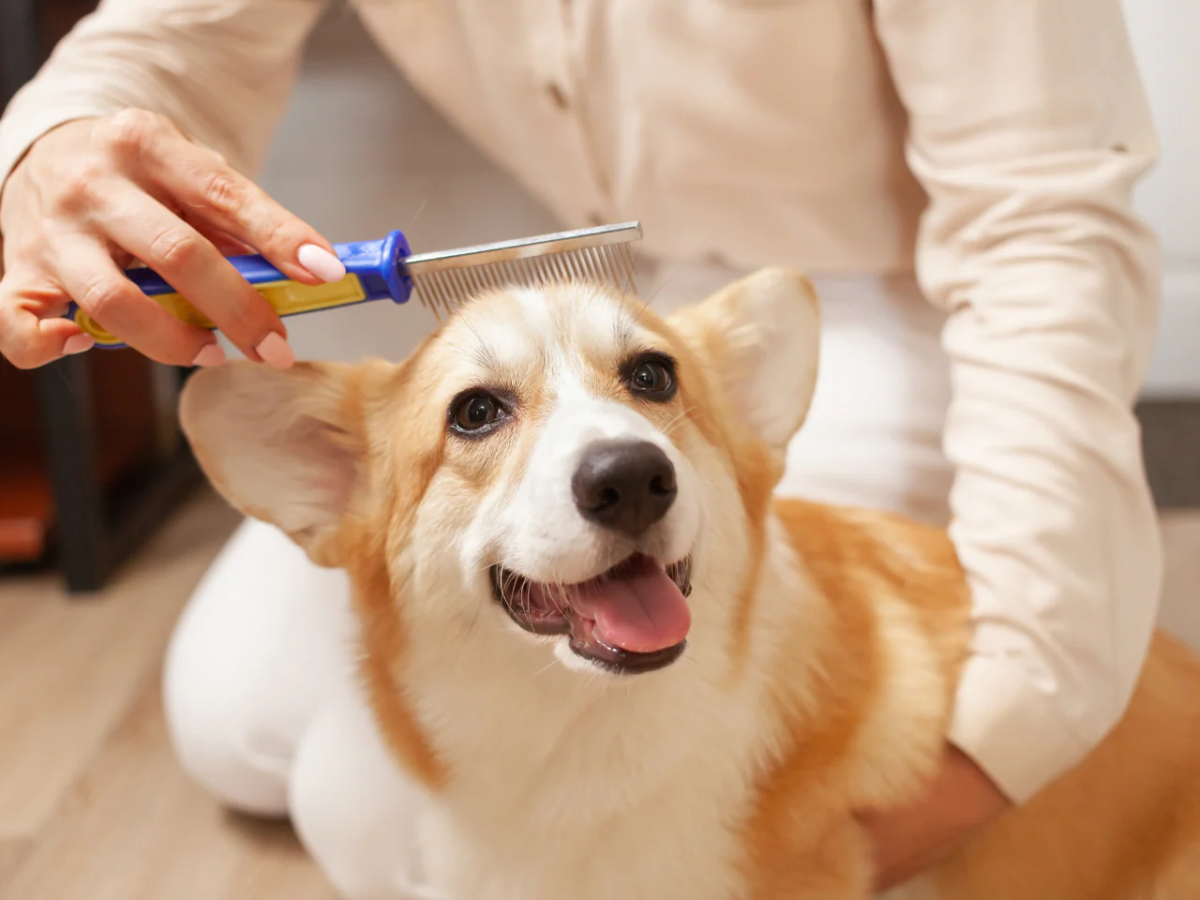
Regular Brushing
Brush your dog 2–3 times per week to:
- Remove dirt and loose hair
- Spread natural skin oils
- Improve circulation
Proper Bathing Routine
Over-bathing is a common mistake.
- Bathe every 3–4 weeks
- Use dog-specific shampoo only
- Avoid human products
Drying After Bath
Always dry your dog properly to prevent fungal infections.
Weekly Skin Check
Check for:
- Red patches
- Parasites
- Cuts or bumps
Best Dog Skin Care Products (What Actually Works)
Choosing the right dog skin care products makes a huge difference in results.
Look for:
- Natural and gentle ingredients
- pH-balanced formulas for dogs
- No alcohol or artificial fragrance
One commonly used option for dandruff support is:
Also Read: Fanquer: A Complete Guide to the Future of Fan Engagement and Digital Interaction
- dermoscent essential 6 spot-on – dog skin care for dandruff
It is designed to help restore skin balance and reduce flaking.
Avoid products made for humans, as they can damage your dog’s skin barrier.
Nutrition and Its Role in Dog Skin Care
Healthy skin starts from inside the body.
Key Nutrients for Skin Health
- Omega-3 fatty acids: Reduce inflammation
- Omega-6 fatty acids: Strengthen skin barrier
- Protein: Repairs skin tissue
- Vitamins A and E: Improve coat health
Best Foods for Healthy Skin
- Salmon and fish oils
- Eggs
- Sweet potatoes
- Leafy vegetables
Poor diet is one of the biggest hidden causes of skin problems in dogs.
Home Remedies for Dog Skin Care
Simple home care can support mild skin issues.
Oatmeal Bath
Helps soothe itching and dryness naturally.
Coconut Oil Massage
Moisturizes dry patches and improves coat shine.
Aloe Vera Gel
Helps calm irritated skin and minor redness.
These should only be used for mild cases, not serious infections.
Dog Skin Care Mistakes You Should Avoid
Many owners accidentally make skin problems worse.
- Using human shampoo
- Over-bathing your dog
- Ignoring diet quality
- Using too many products at once
- Skipping regular grooming
Simple care is more effective than complicated routines.
When You Should See a Vet
Professional help is needed if:
- Skin issues last more than 7–10 days
- There is bleeding or infection
- Your dog is in pain
- Hair loss is spreading quickly
Veterinarians can diagnose allergies, infections, or parasites properly.
Advanced Dog Skin Care Insights (What Most People Miss)
Most skin care guides stop at basic grooming, but real improvement comes from deeper understanding.
Skin Barrier Protection Matters Most
A strong skin barrier prevents most problems before they start.
Nutrition Is More Powerful Than Topical Products
Food quality has a stronger impact on skin health than creams or oils.
Less Is Better in Dog Skin Care
Using too many products can irritate sensitive skin.
Early Action Prevents Major Problems
Small signs like itching or flakes should never be ignored.
Seasonal Dog Skin Care Tips
Winter Care
- Skin becomes dry
- Use moisturizers like coconut oil
- Avoid frequent bathing
Summer Care
- Risk of sunburn and allergies
- Provide shade and hydration
Spring and Fall Care
- Allergies are more common
- Increase grooming and cleaning
Also Read:JupiterQQ: How It Works, Features, Safety, and Smart Strategies for Beginners
Conclusion: The Best Dog Skin Care Approach
The best dog skin care routine is simple, consistent, and natural. You do not need expensive products or complicated treatments.
Focus on:
- Regular grooming
- Proper nutrition
- Safe natural ingredients
- Early problem detection
When these basics are done correctly, most skin problems never become serious.
Healthy skin means a happier, more active, and more comfortable dog.
FAQs About Dog Skin Care
How often should I bathe my dog for good skin health?
Most dogs should be bathed every 3–4 weeks unless they get very dirty or have skin conditions.
Can coconut oil be used daily on dogs?
Yes, but only in small amounts. Overuse can make the coat greasy.
What is the fastest way to reduce dog itching?
Identify the cause first. For mild itching, coconut oil or oatmeal baths may help temporarily.
Are expensive dog skin care products better?
Not always. Natural, simple products often work better than expensive chemical-based ones.
Can poor dog skin care affect behavior?
Yes. Itching and discomfort can make dogs irritable, anxious, or restless.
Is dandruff in dogs serious?
It can be mild or a sign of deeper issues like allergies or poor diet.
What is the biggest mistake in dog skin care?
Over-bathing and using human shampoos are the most common and damaging mistakes.

