The department of education plays a major role in shaping how education works in the United States. It influences schools, colleges, students, and teachers through funding, policies, and programs that support learning at every level. When people ask what is the department of education or what does the department of education do, they are usually trying to understand how education is managed and who makes the rules for schools.
In simple terms, the department of education is a government organization that helps improve education quality, ensures equal access to learning, and provides financial support to students and schools. It does not run schools directly in most cases, but it sets guidelines and distributes funding that states and institutions use.
In the United States, the main federal body is the United States Department of Education. Along with it, each state has its own education department, such as the Ohio Department of Education, which handles local education systems.
Understanding What the Department of Education Is
The department of education is a government agency responsible for supporting education systems. It exists at two main levels:
- Federal level (United States Department of Education)
- State level (example: Ohio Department of Education)
The federal department focuses on national education policies, funding, and equality across states. State departments focus on local schools, curriculum standards, teacher certification, and student assessments.
Even though education is mainly controlled by states in the US, the federal department plays a strong supporting role.
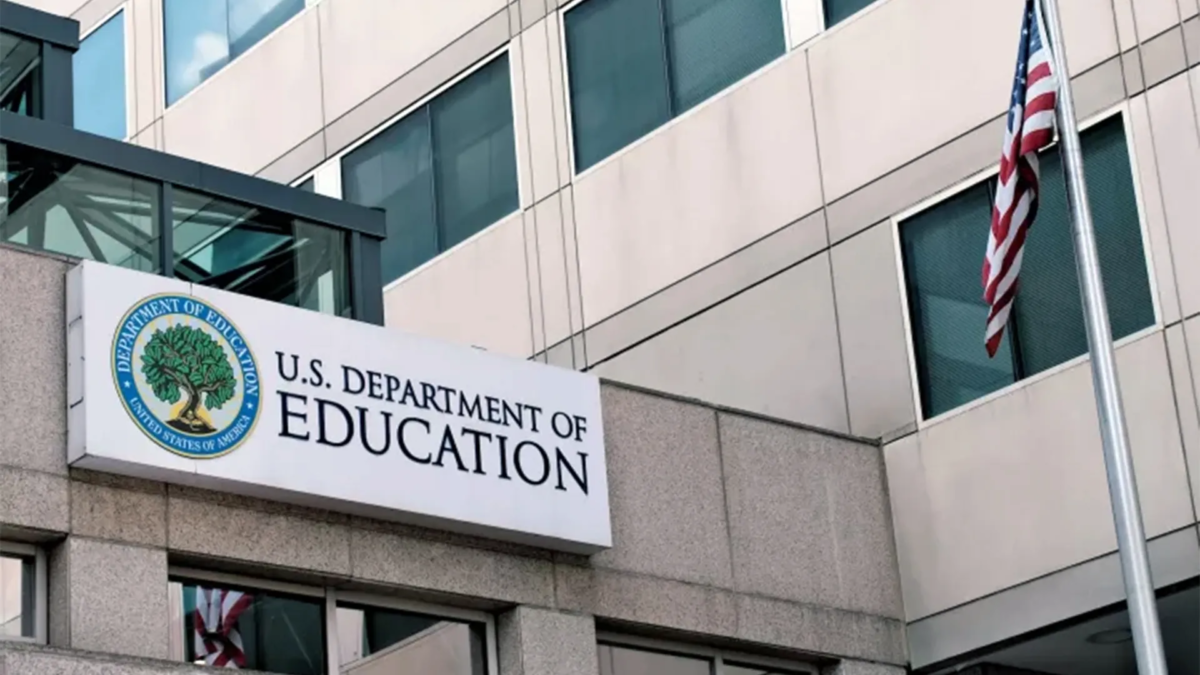
What Does the Department of Education Do?
Many people ask: what does the department of education do in real life? The answer is broad because it works in many areas of education.
Provides Funding to Schools and Colleges
The department gives money to schools, colleges, and universities. This funding supports:
- Low-income students
- Special education programs
- School improvements
- Technology in classrooms
Without this funding, many schools would struggle to operate effectively.
Supports Student Financial Aid
Also Read:Early Childhood Education: Degree and Career Opportunities in the United States
One of the most important roles is helping students pay for education. This includes:
- Grants (money that does not need to be repaid)
- Student loans (money borrowed for education)
- Work-study programs
Programs like Pell Grants help millions of students attend college.
Ensures Equal Education Opportunities
The department works to make sure all students have equal access to education regardless of:
- Income level
- Race or ethnicity
- Disability status
- Location
This helps reduce inequality in education.
Sets Education Policies and Guidelines
The department helps create national education standards and policies such as:
- School safety rules
- Testing guidelines
- Academic performance standards
States can adapt these rules but often follow federal guidance.
Supports Special Education Programs
Students with disabilities receive support through special programs. The department ensures schools follow laws that protect these students and provide proper learning tools.
Collects Education Data
The department studies schools and student performance. It collects data like:
- Graduation rates
- Literacy levels
- College enrollment rates
This helps improve education systems.
Supports Teachers and Schools
It provides training programs, resources, and funding for teacher development, improving teaching quality across the country.
History of the Department of Education
The idea of a federal department for education has existed for a long time. However, the modern version of the United States Department of Education was officially created in 1979.
Before that, education responsibilities were handled under different government offices. Over time, policymakers realized education needed a dedicated department to improve quality and fairness.
Structure of the Department of Education
The department is organized into multiple offices:
Office of Federal Student Aid
Handles student loans and grants.
Office for Civil Rights
Ensures fairness and prevents discrimination in education.
Office of Elementary and Secondary Education
Supports K–12 education programs.
Office of Postsecondary Education
Focuses on colleges and universities.
Institute of Education Sciences
Conducts research and collects education data.
Federal vs State Department of Education
Also Read:Dubolsinho: Meaning, Cultural Background, and Modern Digital Importance
Understanding both levels is important.
Federal Department Role
- Provides funding
- Sets national guidelines
- Supports student aid programs
- Ensures equal access
State Department Role
- Manages local schools
- Sets curriculum standards
- Certifies teachers
- Conducts state exams
For example, the Ohio Department of Education manages Ohio’s public schools while the federal department provides funding support.
How the Department of Education Affects Students
Students benefit in many ways:
- College affordability through aid
- Better school resources
- Equal learning opportunities
- Support for disabilities
- Career preparation programs
How the Department of Education Affects Teachers
Teachers also benefit:
- Training opportunities
- Classroom funding
- Professional development
- Certification standards
Major Programs Managed by the Department of Education
Pell Grants
Financial aid for low-income college students.
Federal Student Loans
Loans to help students pay for college.
Title I Program
Supports schools with low-income students.
IDEA Program
Supports students with disabilities.
Head Start Program
Early childhood education support.
Importance of the Department of Education in Modern Society
The department of education is important because it:
- Reduces poverty through education
- Improves job opportunities
- Promotes equality
- Supports economic growth
A strong education system builds a strong society.
Challenges Faced by the Department of Education
Funding Inequality
Some schools still receive unequal resources.
Policy Changes
Education rules often change with political leadership.
Digital Learning Gaps
Not all students have equal access to technology.
Teacher Shortages
Some regions lack qualified teachers.
Student Debt Issues
College loans remain a major challenge.
Modern Trends in Education
Education is changing fast:
- Online learning growth
- AI in education
- Skill-based learning
- Hybrid classrooms
- Mental health focus
Role of the Department of Education in the Future
Future focus areas include:
Also Read:ELE Course Online: Improve English Skills Fast with Online Learning
- Digital education expansion
- Reducing student debt
- Better teacher training
- Lifelong learning support
- Global competitiveness
Conclusion
The department of education plays a powerful role in shaping education in the United States. The United States Department of Education supports national education systems, while state departments like the Ohio Department of Education manage local schools.
Understanding what the department of education does helps explain how students get financial aid, how schools are funded, and how education quality is maintained across the country.
FAQs About Department of Education
What is the main purpose of the department of education?
Its main purpose is to improve education quality, provide funding, and ensure equal access for all students.
What does the department of education do for colleges?
It provides financial aid, grants, and student loans.
Does the federal government control schools?
No, states control schools, while the federal department supports them.
What does the Ohio Department of Education do?
It manages Ohio’s public schools and education standards.
Does the department of education run schools?
No, it does not operate schools directly.
Why is it important?
It ensures fairness, funding, and better education opportunities.
What is the future role of the department?
It will focus on digital learning, affordability, and skill development.

