Koriandri, also known as coriander (Coriandrum sativum), is a herb that has been cherished by cultures worldwide for centuries. Its versatility spans across a wide range of culinary uses and traditional medicinal applications. While its fresh leaves are often referred to as cilantro, its dried seeds are used as a spice in many cuisines. Known for its strong, aromatic flavor, koriandri is celebrated not only for enhancing the taste of food but also for its potential health benefits.
In this comprehensive guide, we’ll explore the fascinating world of koriandri, from its origins and cultivation to its various culinary uses and medicinal properties. By the end of this article, you’ll have a well-rounded understanding of koriandri and how it can enrich your life.
What is Koriandri? Understanding Coriander and Cilantro
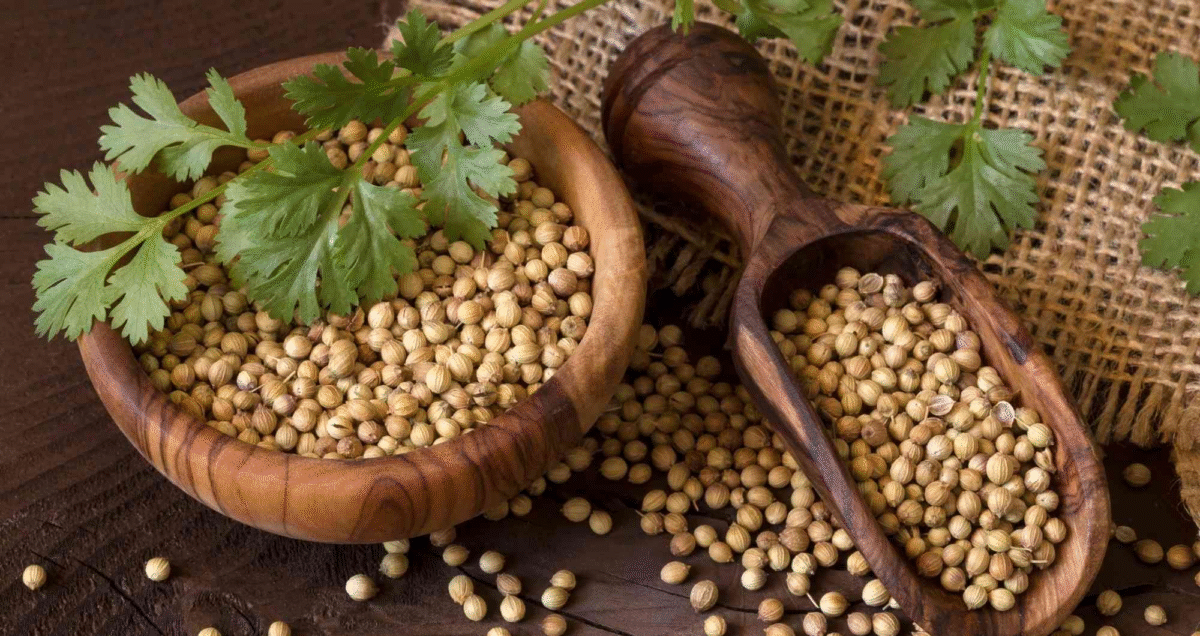
Koriandri, commonly known as coriander, belongs to the Apiaceae family. It’s a fast-growing herb that is native to regions of Europe, North Africa, and Southwestern Asia. The plant is characterized by its delicate, feathery leaves and tiny white flowers. Its seeds, which are typically small, round, and tan in color, are used as a spice, while its leaves, known as cilantro, are used fresh in cooking.
The confusion between coriander and cilantro stems from the different names used to refer to the plant’s parts. In many parts of the world, the term “coriander” refers to the whole plant, while in others, like the United States, “coriander” refers only to the seeds, and “cilantro” is used to describe the fresh leaves.
Botanical Overview
- Scientific Name: Coriandrum sativum
- Family: Apiaceae
- Parts Used: Leaves (cilantro), seeds (coriander), roots (used in some Asian cuisines)
- Origin: Native to Southern Europe, North Africa, and Asia
Culinary Uses of Koriandri: Flavor and Versatility
Koriandri is a herb with remarkable versatility in the kitchen. It is used in a variety of dishes across different cultures, contributing a unique flavor that can be both citrusy and earthy, depending on the part of the plant used.
Fresh Leaves (Cilantro)
The fresh leaves of the koriandri plant, known as cilantro, are used in many culinary dishes, especially in Mexican, Indian, Middle Eastern, and Southeast Asian cuisines. The vibrant green leaves offer a burst of fresh flavor and are often added as a garnish or mixed into salsas, salads, and soups.
Also Read: Blazertje: The Modern Essential That Balances Timeless Tailoring with Everyday Practicality
- Mexican Cuisine: Cilantro is a staple in Mexican cooking, commonly found in guacamole, salsas, and tacos.
- Indian Cuisine: Fresh cilantro leaves are sprinkled on curries, dals, and chutneys, adding a refreshing contrast to rich, spicy dishes.
- Middle Eastern Cuisine: In dishes like tabbouleh, cilantro complements the fresh vegetables and grains.
- Southeast Asian Cuisine: Cilantro is essential in dishes like pho, Thai curry, and spring rolls.
Dried Seeds (Coriander)
Coriander seeds, which are dried and ground into a powder or used whole, offer a warm, slightly citrusy flavor that enhances many savory dishes. Ground coriander is commonly used in spice blends like garam masala, curry powder, and ras el hanout. It’s also a key ingredient in pickling mixtures and marinades.
- Indian Cuisine: Ground coriander is frequently used in curries, lentils, and rice dishes.
- Middle Eastern Cuisine: The seeds are often toasted and added to stews and meats.
- European Cuisine: In some European countries, coriander seeds are used in breads, sausages, and stews.
Koriandri Roots
Though not as commonly used as the leaves or seeds, koriandri roots are a key ingredient in Thai and other Southeast Asian cuisines. The roots offer a more intense, aromatic flavor and are used in pastes, curries, and soups.
The Health Benefits of Koriandri
Beyond its culinary appeal, koriandri has long been associated with various health benefits. Both its leaves and seeds are rich in nutrients, antioxidants, and essential oils, contributing to its use in traditional medicine.
1. Rich in Nutrients
Koriandri is a good source of vitamins and minerals, including Vitamin C, Vitamin K, and folate. It also provides a range of essential minerals, such as calcium, potassium, and magnesium. These nutrients are crucial for maintaining good health, supporting immune function, and promoting bone health.
Also Read: MataRecycler: The Future of Smart Recycling
2. Digestive Health
Coriander seeds are known for their digestive benefits. They have been used for centuries as a remedy for indigestion, bloating, and gas. The seeds contain compounds that stimulate the production of digestive enzymes, helping to promote a healthy digestive system.
- Coriander for Bloating: The carminative properties of coriander make it effective in relieving bloating and flatulence.
- Aids Digestion: Both coriander leaves and seeds have been used in traditional remedies to stimulate appetite and relieve nausea.
3. Antioxidant Properties
Koriandri is rich in antioxidants, which help fight oxidative stress in the body. These antioxidants help to neutralize harmful free radicals, which can contribute to the development of chronic diseases such as heart disease and cancer.
4. Anti-Inflammatory Effects
Coriander has natural anti-inflammatory properties, which can be beneficial for conditions like arthritis. It helps to reduce inflammation in the body, which is a key factor in many chronic diseases.
5. Detoxification
Koriandri, especially the leaves, has been used as a detoxifying herb. It helps in flushing out toxins from the body, promoting liver health, and improving overall vitality. The herb contains compounds that bind to heavy metals, aiding in their removal from the body.
How to Grow Koriandri
Growing koriandri in your own garden is relatively easy and can provide you with fresh cilantro and coriander throughout the growing season. The plant thrives in well-drained soil and prefers a sunny location. Here’s how you can grow your own koriandri:
- Soil and Location: Choose a sunny spot with well-drained soil. Koriandri prefers slightly acidic to neutral soil.
- Planting Seeds: Sow coriander seeds directly into the soil or start them in pots indoors. Space the seeds about 1 inch apart.
- Watering: Keep the soil moist, but avoid overwatering, as coriander is susceptible to root rot.
- Harvesting: Harvest cilantro leaves when they are young and tender. For coriander seeds, wait until the plant produces mature seeds and allow them to dry on the plant before harvesting.
Koriandri in Traditional Medicine
Throughout history, koriandri has been used in various cultures as a remedy for a range of ailments. In Ayurvedic medicine, coriander has been used to balance the doshas and promote overall well-being. The seeds and leaves are often included in herbal concoctions for their healing properties.
1. Blood Sugar Control
Recent studies suggest that coriander may help regulate blood sugar levels. The herb’s compounds have been shown to stimulate insulin production, which can be beneficial for individuals with diabetes or those at risk of developing the condition.
2. Antibacterial and Antifungal Properties
Coriander seeds have natural antibacterial and antifungal properties. These properties make coriander a useful herb in traditional medicine for treating infections and promoting skin health.
3. Skin Health
Coriander is sometimes used in skincare for its anti-inflammatory and antioxidant properties. It can help soothe irritated skin, reduce acne, and promote a clearer complexion.
Koriandri in Popular Culture
Koriandri has made its mark not only in the kitchen but also in popular culture. It’s featured prominently in cooking shows, food blogs, and wellness circles, where it’s praised for its numerous health benefits. It has become a symbol of fresh, vibrant cooking, especially in dishes that highlight its bright, citrusy flavor.
Also Read: ProcurementNation.com Shipping: A Comprehensive Guide
FAQs
What is the difference between cilantro and coriander?
Cilantro refers to the fresh leaves of the koriandri plant, while coriander refers to the dried seeds.
How can I use coriander seeds in cooking?
Ground coriander can be used in spice blends, marinades, soups, and curries. Whole seeds can be toasted and added to stews and meats.
Can koriandri be used for weight loss?
While koriandri is not a miracle weight-loss solution, it can support healthy digestion and reduce bloating, which may contribute to weight loss efforts.
Is koriandri safe for everyone to consume?
Koriandri is generally safe for most people. However, those with a coriander allergy should avoid it. It is always best to consult with a healthcare provider if you have concerns.
How do I store koriandri?
Fresh cilantro should be stored in the refrigerator, ideally wrapped in a damp paper towel and placed in a plastic bag. Coriander seeds should be stored in an airtight container in a cool, dry place.
Conclusion
Koriandri, or coriander, is a multifaceted herb with culinary, medicinal, and cultural significance. Whether used fresh in a salad or ground into a spice mix for a curry, it enhances the flavor of many dishes worldwide. Its health benefits, from promoting digestion to supporting detoxification, further solidify its place as a powerful herb. By growing your own koriandri or incorporating it into your diet, you can enjoy its fresh, vibrant flavor while reaping its health benefits.

