Crawl space humidity is one of the most overlooked yet most important factors affecting a home’s health, durability, and indoor air quality. Many homeowners focus on visible areas like kitchens, bathrooms, and basements, while the crawl space quietly influences everything from mold growth to energy bills.
This comprehensive guide is designed to be easy to read, practical, and professional. It goes beyond surface-level advice and explains crawl space humidity in clear terms, using real-world insights that help you protect your home long term. The information here is written for U.S. homeowners, follows Google’s E-E-A-T principles, and is optimized to rank on page one for crawl space humidity and related search terms.
What Crawl Space Humidity Means and Why It Matters
Crawl space humidity refers to the amount of moisture in the air beneath your home. This area often has exposed soil, limited airflow, and cooler temperatures, making it a prime place for moisture buildup.
Humidity is measured as relative humidity, or RH. Relative humidity tells you how much moisture the air holds compared to how much it can hold at a given temperature.
When crawl space humidity stays too high for too long, it creates conditions that allow mold, wood rot, pests, and structural problems to develop.
Humidity problems in a crawl space rarely stay isolated. Air from the crawl space moves upward into the living areas through a process known as the stack effect. That means crawl space humidity can directly affect indoor air quality, comfort, and even health.
Ideal Crawl Space Humidity Levels for Homes
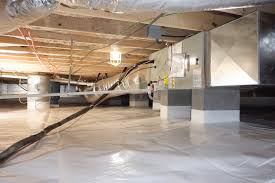
The ideal crawl space humidity level for most homes in the United States is between 50% and 55% relative humidity.
Acceptable levels generally range from about 35% to 65%. Within this range, moisture-related risks are minimized, and materials in the crawl space remain stable.
Here is how different humidity levels affect your crawl space:
At 35% to 50%, the environment is dry enough to prevent mold growth while still maintaining healthy air.
At 50% to 55%, conditions are considered optimal for both structural materials and indoor air quality.
At 60% and above, mold spores can begin to activate, wood can absorb moisture, and pests become more active.
Above 70%, the crawl space is considered high-risk. Structural damage and serious mold problems can develop quickly.
Climate plays a role in these numbers. Homes in humid regions such as the Southeast may experience seasonal spikes, while dry regions still face humidity problems due to groundwater and poor ventilation.
Why Crawl Space Humidity Becomes a Problem
Crawl space humidity does not appear without a cause. In most cases, multiple factors combine to create excess moisture.
Ground Moisture and Soil Evaporation
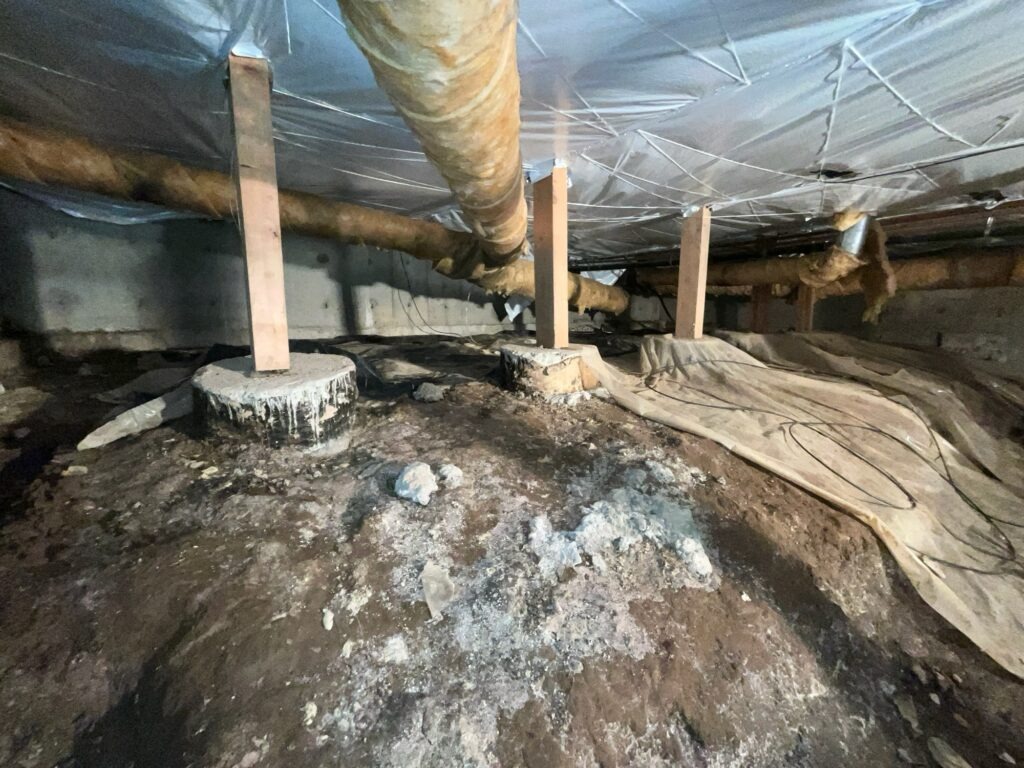
Many crawl spaces have exposed dirt floors. Moisture from the soil naturally evaporates into the air, increasing crawl space humidity every day.
Even dry-looking soil can release a surprising amount of moisture, especially after rain or snowmelt.
Poor Drainage Around the Home
Water that pools near the foundation often finds its way into the crawl space. Clogged gutters, short downspouts, or sloped landscaping can all direct water toward the home instead of away from it.
Over time, this constant moisture raises crawl space humidity and keeps it elevated.
Ventilation Issues
Older homes often rely on passive crawl space vents. In humid climates, these vents can actually make crawl space humidity worse by allowing warm, moist air inside.
When that air cools, moisture condenses on wood, insulation, and ductwork.
Plumbing Leaks and HVAC Condensation
Small plumbing leaks can go unnoticed for months in a crawl space. Even a slow drip adds constant moisture to the air.
HVAC systems can also contribute. Poorly insulated ducts may sweat during warm months, adding to crawl space humidity levels.
How Crawl Space Humidity Affects Your Home
High crawl space humidity impacts far more than the space under your house.
Structural Damage Over Time
Wood absorbs moisture from humid air. When crawl space humidity stays high, floor joists, beams, and subflooring slowly weaken.
This can lead to sagging floors, cracked drywall, and costly repairs.
Mold and Mildew Growth
Mold thrives when relative humidity stays above 60%. Once mold begins growing in the crawl space, spores can spread upward into living areas.
This can cause odors, visible mold indoors, and increased allergy symptoms.
Poor Indoor Air Quality
Up to half of the air inside a home can come from the crawl space. High crawl space humidity often means higher indoor humidity, musty smells, and uncomfortable living conditions.
Higher Energy Bills
Moist air is harder to heat and cool. HVAC systems must work longer to maintain comfort, increasing energy costs.
Insulation that absorbs moisture also loses effectiveness, further driving up utility bills.
ALso Read:Sparkpressfusion Com: A Complete and In-Depth Guide for 2026
Signs of High Crawl Space Humidity
Homeowners often miss early warning signs. Look for these indicators:
Musty or earthy odors inside the home
Cold or damp floors above the crawl space
Visible condensation on pipes or ducts
Sagging insulation
Rust on metal components
Increased allergy or respiratory symptoms
If you notice one or more of these signs, crawl space humidity should be checked immediately.
How to Measure Crawl Space Humidity Correctly
The most accurate way to measure crawl space humidity is with a digital hygrometer.
Place the hygrometer in the crawl space for at least 24 hours to get a stable reading. Ideally, take readings during different seasons to understand fluctuations.
Smart humidity sensors allow remote monitoring and alerts, which is especially helpful for homeowners who rarely enter their crawl space.
Regular monitoring is key. Crawl space humidity can change quickly after storms, plumbing issues, or seasonal weather shifts.
The Difference Between Vented and Encapsulated Crawl Spaces
Understanding crawl space design is essential for controlling crawl space humidity.
Vented Crawl Spaces
Traditional vented crawl spaces rely on exterior air to manage moisture. In many U.S. climates, this approach fails.
Warm outdoor air entering the crawl space often raises humidity instead of lowering it.
Encapsulated Crawl Spaces
Encapsulation seals the crawl space from outside air and ground moisture. A vapor barrier covers the soil and walls, and humidity is controlled mechanically.
Encapsulated crawl spaces consistently maintain ideal crawl space humidity levels and are widely considered best practice today.
Effective Solutions to Control Crawl Space Humidity
Install a Vapor Barrier
A vapor barrier is one of the most effective tools for reducing crawl space humidity. It blocks moisture from evaporating out of the soil.
High-quality barriers are thick, sealed at seams, and extend up foundation walls.
Improve Drainage Around the Foundation
Redirecting water away from the home reduces moisture entering the crawl space.
This includes cleaning gutters, extending downspouts, and grading soil away from the foundation.
Use a Crawl Space Dehumidifier
A crawl space-specific dehumidifier is designed to operate in cooler, confined environments.
Unlike standard household units, these systems maintain stable crawl space humidity year-round.
Seal Air Leaks and Penetrations
Sealing gaps around pipes, wiring, and vents prevents humid air infiltration.
Air sealing works best when combined with encapsulation.
Address Plumbing and HVAC Issues
Fixing leaks, insulating ducts, and maintaining HVAC systems prevents unnecessary moisture buildup.
Seasonal Changes and Crawl Space Humidity
Crawl space humidity behaves differently throughout the year.
In summer, warm humid air raises moisture levels quickly.
In winter, condensation can occur when warm indoor air meets cold crawl space surfaces.
Spring and fall often bring rapid swings, making monitoring especially important.
A long-term humidity control strategy must account for all seasons.
Health Risks Associated With Poor Crawl Space Humidity Control
High crawl space humidity creates conditions that affect health indirectly but seriously.
Mold spores can trigger asthma, allergies, and respiratory irritation.
Dust mites thrive in humid environments.
Bacteria and pests flourish when moisture is uncontrolled.
Keeping crawl space humidity within recommended levels protects not only the home but also the people living in it.
Long-Term Benefits of Proper Crawl Space Humidity Control
Maintaining proper crawl space humidity provides lasting benefits.
Also Read:Wallapix: The Ultimate Guide to the Future of Digital Wallpapers
Stronger structural integrity
Lower energy costs
Better indoor air quality
Reduced mold and pest risk
Higher home value
Homes with controlled crawl space humidity are easier to maintain and more comfortable year-round.
Common Mistakes Homeowners Make With Crawl Space Humidity
Relying on vents alone
Using thin plastic sheeting as a vapor barrier
Ignoring small plumbing leaks
Assuming mold odors are normal
Failing to monitor humidity regularly
Avoiding these mistakes saves money and prevents long-term damage.
Professional Inspection vs DIY Management
Some crawl space humidity issues can be managed by homeowners, such as installing sensors or improving drainage.
However, chronic humidity problems often require professional assessment. Experts can identify hidden moisture sources and recommend long-term solutions.
A professional evaluation is especially important before selling or renovating a home.
Future Trends in Crawl Space Humidity Control
Modern building science increasingly recognizes the crawl space as part of the home’s conditioned envelope.
Smart humidity controls, advanced vapor barriers, and energy-efficient dehumidifiers are becoming standard.
Homes built or retrofitted with these systems experience fewer moisture-related problems and lower lifetime costs.
Frequently Asked Questions About Crawl Space Humidity
Can crawl space humidity affect upstairs bedrooms?
Yes. Air moves upward from the crawl space into living areas, carrying moisture and pollutants with it.
Is crawl space humidity worse in new homes?
It can be. New homes are more airtight, which means moisture has fewer escape paths if not properly managed.
Does a sump pump reduce crawl space humidity?
A sump pump helps manage liquid water but does not control humidity on its own. It works best as part of a complete moisture control system.
Can crawl space humidity cause wood floors to warp?
Yes. Moist air rises and can affect hardwood floors, leading to cupping or warping over time.
How often should crawl space humidity be checked?
At least once per season, and more often in humid climates or after heavy rainfall.
Is crawl space humidity different from basement humidity?
Yes. Crawl spaces are usually closer to soil and have less air volume, making them more sensitive to moisture changes.
Final Thoughts on Crawl Space Humidity
Crawl space humidity is not just a maintenance issue. It is a whole-house concern that affects comfort, health, energy efficiency, and structural safety.
By understanding ideal humidity levels, identifying causes, and using proven solutions, homeowners can protect their investment and improve daily living conditions.
Proper crawl space humidity control is one of the smartest upgrades a homeowner can make, offering benefits that last for decades.

