Many Americans ask the same important question every year: what does the department of education do?
Some people believe the U.S. Department of Education controls every school in America. Others think it has little influence on education. The truth is somewhere in the middle. The Department of Education plays a major role in funding, policy, student support, civil rights protection, and educational research, but local and state governments still control most day-to-day school operations.
Understanding what does the department of education do is important for students, parents, teachers, and taxpayers. Education affects jobs, the economy, national growth, and the future of children across the country.
In this detailed guide, you will learn:
- What the Department of Education actually does
- Why it was created
- How it helps students and schools
- What powers it has
- What it does not control
- How federal education funding works
- The latest education priorities in 2026
- Common myths and facts
- The future of education policy in America
What Is the Department of Education?
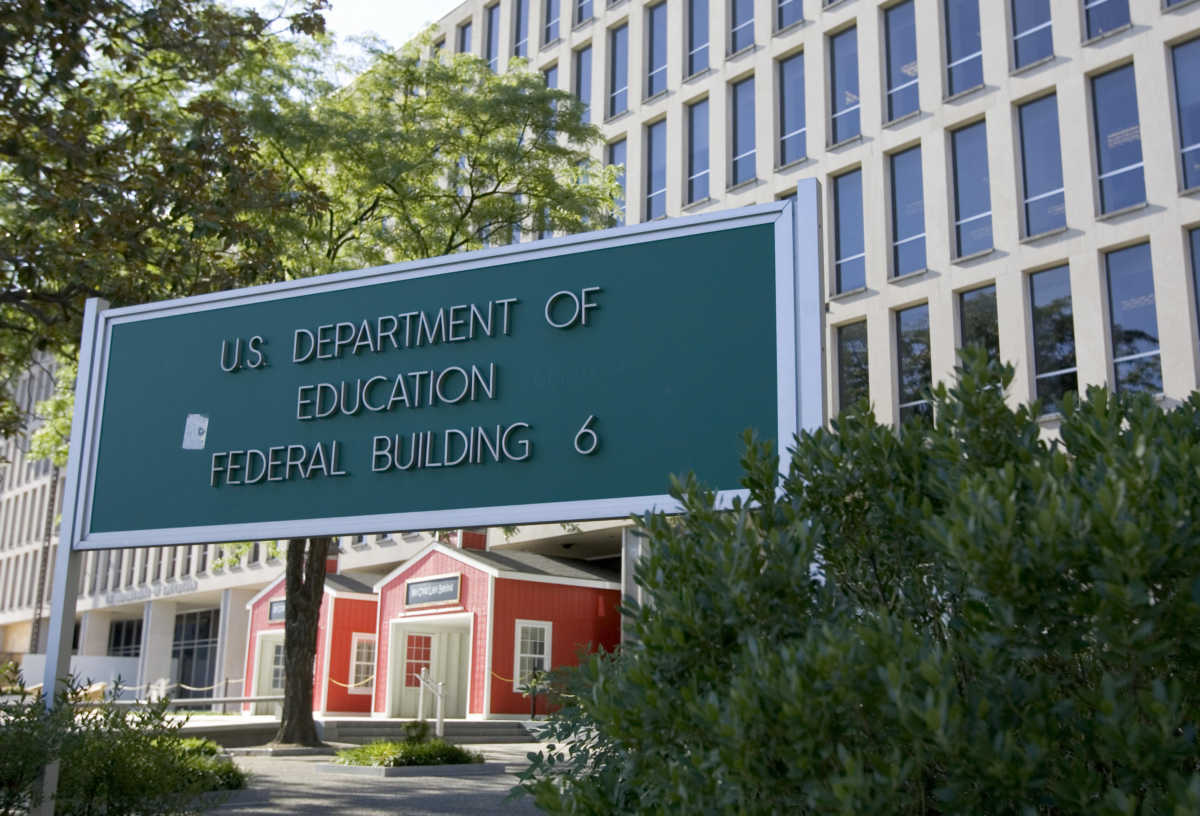
The U.S. Department of Education is a federal government agency responsible for improving education across America.
It was officially created in 1979 and began operating in 1980. The department works to ensure students have equal access to quality education regardless of income, race, disability, or location.
Many people ask, “what does the federal department of education do?” because education in America is mostly managed at the state and local level. The federal government does not run public schools directly. Instead, the Department of Education supports schools through funding, policies, student aid programs, and civil rights enforcement.
The department is led by the Secretary of Education, who is part of the President’s Cabinet.
Why Was the Department of Education Created?
Before 1980, education programs were handled by several government agencies. Over time, leaders believed America needed one dedicated department focused entirely on education.
The Department of Education was created to:
- Improve educational quality nationwide
- Help students from low-income families
- Expand college access
- Collect education data
- Enforce equal educational rights
- Support state and local schools
The goal was not to control schools from Washington, D.C., but to support educational success across the country.
Also Read:Employment Opportunities in Higher Education: Complete 2026 Career Guide
What Does the Department of Education Actually Do?
One of the most searched questions online today is: what does the department of education actually do?
The department has many important responsibilities. Here are the main areas where it works.
Provides Federal Funding for Schools
One major responsibility is distributing federal education funding.
The Department of Education sends billions of dollars to states, school districts, colleges, and educational programs every year.
This money supports:
- Public schools
- Low-income student programs
- Special education
- School meals
- Teacher training
- Technology programs
- Rural schools
- Career education
Although federal funding is important, it only makes up a portion of total school funding in America. Most school funding still comes from state and local taxes.
Supports Low-Income Students
The department runs programs designed to help disadvantaged students succeed.
One of the largest programs is Title I funding. This money helps schools with high numbers of low-income students improve educational opportunities.
Funding may be used for:
- Reading support
- Tutoring
- Classroom materials
- Additional teachers
- Student intervention programs
Without federal support, many struggling schools would face even greater challenges.
Manages Federal Student Aid
Another major answer to “what does the department of education do” involves college financial aid.
The Department of Education oversees federal student aid programs including:
- Pell Grants
- Federal student loans
- Work-study programs
- FAFSA administration
- Loan repayment programs
Millions of college students rely on these programs every year.
The department also manages student loan servicing and forgiveness programs.
In recent years, student debt has become a major national issue, making the Department of Education more important than ever for higher education policy.
Protects Civil Rights in Education
The Office for Civil Rights is part of the Department of Education.
This office ensures schools follow federal civil rights laws and provide equal educational opportunities.
The department investigates complaints involving:
- Disability discrimination
- Racial discrimination
- Gender discrimination
- Sexual harassment
- Language access issues
Federal law requires schools receiving federal funding to protect student rights.
This role has become increasingly important as schools address diversity, inclusion, accessibility, and student safety concerns.
Supports Students With Disabilities
The Department of Education helps enforce the Individuals with Disabilities Education Act (IDEA).
This law ensures students with disabilities receive proper educational services.
Support may include:
- Special education classes
- Individualized Education Programs (IEPs)
- Speech therapy
- Classroom accommodations
- Accessibility support
Federal funding also helps schools serve students with physical, emotional, learning, and developmental disabilities.
Collects Education Data and Research
The department gathers large amounts of education data every year.
This information helps policymakers, educators, and researchers understand how schools are performing.
Data collection includes:
- Graduation rates
- Reading scores
- Math achievement
- College enrollment
- Student debt levels
- School safety statistics
Research helps guide future education policies and funding decisions.
Improves Education Standards
Although the federal government does not create local school curriculums, it does encourage educational improvement nationwide.
The Department of Education promotes:
- Academic achievement
- Teacher quality
- STEM education
- Literacy programs
- Career readiness
- Digital learning
Federal initiatives often encourage states to improve educational outcomes through grants and partnerships.
Supports Higher Education
The department works closely with colleges and universities across the country.
Its responsibilities include:
- Accrediting oversight
- College funding programs
- Student aid management
- Educational research
- Consumer protection for students
The department also monitors institutions to help prevent fraud and abuse involving federal student aid money.
Helps Adult Learners and Workforce Training
Education is not only for children and college students.
The Department of Education also supports:
- Adult literacy programs
- GED preparation
- Workforce development
- Career and technical education
- Job training partnerships
These programs help adults improve skills and increase employment opportunities.
What the Department of Education Does Not Do
Many Americans misunderstand the role of the department.
To fully understand what does the federal department of education do, it is also important to know what it does not do.
The department does not:
- Control daily school operations
- Hire most teachers
- Set local school calendars
- Choose classroom textbooks
- Create all school curriculums
- Run local school districts
- Manage private schools directly
Most educational decisions remain under state and local control.
This balance between federal and local authority is a unique part of the American education system.
How Education Is Controlled in America
Education in the United States works through several levels of government.
Federal Government
The federal government provides funding, policy guidance, civil rights enforcement, and student aid support.
State Governments
States oversee:
- Academic standards
- Graduation requirements
- Teacher licensing
- State testing
- Curriculum frameworks
Local School Districts
Local districts handle:
- School management
- Teacher hiring
- Daily operations
- School board decisions
- Local budgeting
This structure explains why schools can look very different from one state to another.
How Much Power Does the Department of Education Have?
This question is often debated in politics.
Some people believe the department has too much influence, while others believe it should play a larger role in reducing educational inequality.
The truth is that the department has significant influence because it controls funding and federal regulations. However, states still have primary authority over education.
Federal funding often encourages schools to follow national priorities even though local governments remain officially in charge.
Also Read:Education Technology News: Smart Classrooms and EdTech Trends in USA (2026)
Major Programs Managed by the Department of Education
Several large programs operate under the department.
Federal Student Aid
Provides grants and loans for college students.
Pell Grants
Offers financial aid to low-income college students that usually does not need repayment.
FAFSA
The Free Application for Federal Student Aid helps determine eligibility for college aid.
IDEA
Supports students with disabilities.
Title I Programs
Provides funding for low-income schools.
TRIO Programs
Helps disadvantaged students prepare for college.
Career and Technical Education
Supports vocational and job training programs.
Department of Education Budget in 2026
The Department of Education manages a massive federal budget.
Billions of dollars are used annually for:
- K-12 programs
- College aid
- Disability services
- Teacher programs
- Education research
- School improvement initiatives
Student aid programs represent one of the largest portions of spending.
Education funding priorities often change depending on the administration and Congress.

Current Education Priorities in 2026
Education priorities continue evolving in response to economic, social, and technological changes.
Some major focus areas in 2026 include:
Student Mental Health
Schools are expanding mental health services and emotional support programs.
Learning Recovery
Many schools continue addressing academic gaps caused by earlier disruptions in education.
Artificial Intelligence in Education
Schools and colleges are developing policies for AI tools and digital learning technologies.
Career Readiness
There is increasing focus on preparing students for real-world jobs and technical careers.
College Affordability
Student debt and tuition costs remain major national concerns.
Teacher Shortages
Many districts across America continue struggling to recruit and retain teachers.
Why the Department of Education Matters
Some people wonder whether America even needs a federal education department.
The department plays an important role because it helps create educational opportunities for students who might otherwise be left behind.
Without federal oversight and funding:
- Poor districts could face greater inequality
- Students with disabilities may receive fewer services
- College access could become harder
- Civil rights protections might weaken
- National education research would decline
The department helps create fairness across a very large and diverse country.
Common Criticisms of the Department of Education
Not everyone agrees with how the department operates.
Some critics believe:
- The federal government has too much influence
- Education decisions should stay local
- Regulations create unnecessary bureaucracy
- Federal programs can become inefficient
Others argue the department should receive even more funding and authority to reduce educational inequality.
This debate has existed for decades and continues today.
Common Myths About the Department of Education
Myth 1: The Department Controls All Schools
This is false. Most school decisions happen at state and local levels.
Myth 2: The Department Creates Every Curriculum
States and local districts choose most curriculum standards and textbooks.
Myth 3: Federal Funding Pays for Most Schools
Most school funding actually comes from state and local governments.
Myth 4: The Department Only Helps Colleges
The department supports K-12 education, special education, adult education, and more.
How the Department Impacts Parents
Parents may not realize how often federal education policies affect daily school life.
The department influences:
- School funding
- Special education services
- Student protections
- Lunch programs
- Academic support programs
- College aid access
Federal programs can shape many aspects of a child’s educational experience.
How the Department Impacts Teachers
Teachers are affected through:
- Federal grants
- Training programs
- Classroom funding
- Education standards
- Student support services
Although local districts employ teachers, federal policies still influence classroom environments.
How the Department Impacts College Students
College students interact with the Department of Education regularly through:
- FAFSA applications
- Student loans
- Pell Grants
- Loan repayment plans
- Financial aid counseling
For millions of Americans, college access depends heavily on federal education programs.
The Future of the Department of Education
Education is changing rapidly because of technology, workforce needs, and social challenges.
Future priorities may include:
- AI learning systems
- Expanded online education
- Personalized learning
- Cybersecurity education
- Workforce retraining
- Affordable higher education
The Department of Education will likely continue adapting to these national needs.
Could the Department of Education Be Eliminated?
This question sometimes appears during political debates.
Some politicians have proposed reducing or eliminating the department. However, completely removing it would require major congressional action and could significantly affect federal student aid and education programs.
Even if reforms happen, the federal government would likely continue playing some role in education because of funding, civil rights laws, and national educational priorities.
Also Read:Seekde: The Complete Guide to the Next-Generation Knowledge Platform in 2026
Final Thoughts
So, what does the department of education do?
The Department of Education helps support students, schools, colleges, and communities across America. It provides funding, manages student aid, protects civil rights, supports special education, conducts research, and promotes educational opportunity.
At the same time, local schools and state governments still control most daily educational decisions.
Understanding what does the department of education actually do helps Americans better understand how education works in the United States. The department may not run classrooms directly, but it strongly influences educational access, equality, and opportunity nationwide.
As education continues changing in 2026 and beyond, the Department of Education will remain an important part of America’s educational system.
FAQs About What Does the Department of Education Do
Does the Department of Education control private schools?
No. Private schools generally operate independently, although they may still need to follow some federal laws if they receive federal funding.
Why does the Department of Education collect school data?
The department collects data to study educational performance, improve policies, and identify areas where students may need additional support.
Can the Department of Education forgive student loans?
Yes. The department manages several student loan forgiveness and repayment programs for eligible borrowers.
Does the Department of Education create school tests?
The federal government encourages accountability, but most state exams and testing systems are created at the state level.
How does the Department of Education help rural schools?
The department provides grants and funding programs that support technology, transportation, staffing, and learning resources in rural areas.
Does the Department of Education help teachers directly?
Yes. Federal grants and professional development programs can support teacher training, recruitment, and classroom resources.
What happens if schools violate federal education laws?
Schools that violate federal laws may face investigations, funding consequences, or legal action through the Office for Civil Rights.

