Zuschneidfelle are one of the most important tools in modern ski touring, especially for people who climb mountains before skiing down. The term zuschneidfelle comes from German language and it means climbing skins that are cut to size. These skins are attached under skis to help skiers climb uphill without sliding backward.
In simple words, zuschneidfelle act like grip pads for skis. When snow is steep and slippery, skis alone cannot move upward easily. Without skins, the skier would keep slipping back. That is why zuschneidfelle are used in backcountry skiing and ski mountaineering.
In the United States, ski touring is becoming more popular every year. States like Colorado, Utah, Washington, and California have large mountain areas where people explore off-piste skiing. Because of this growing trend, understanding zuschneidfelle is very important for both beginners and advanced skiers.
The key idea behind zuschneidfelle is customization. They are not pre-fixed for one ski size. Instead, they are cut according to ski width and shape. This makes them more efficient and safer than universal skins.
What Are Zuschneidfelle in Ski Equipment
Zuschneidfelle are special climbing skins used in ski touring. They are attached to the bottom of skis during uphill movement and removed before skiing downhill. Their main purpose is to create grip on snow so the skier can climb without slipping.
These skins are usually made slightly larger than skis so they can be trimmed and adjusted. That is why they are called cut-to-size skins.
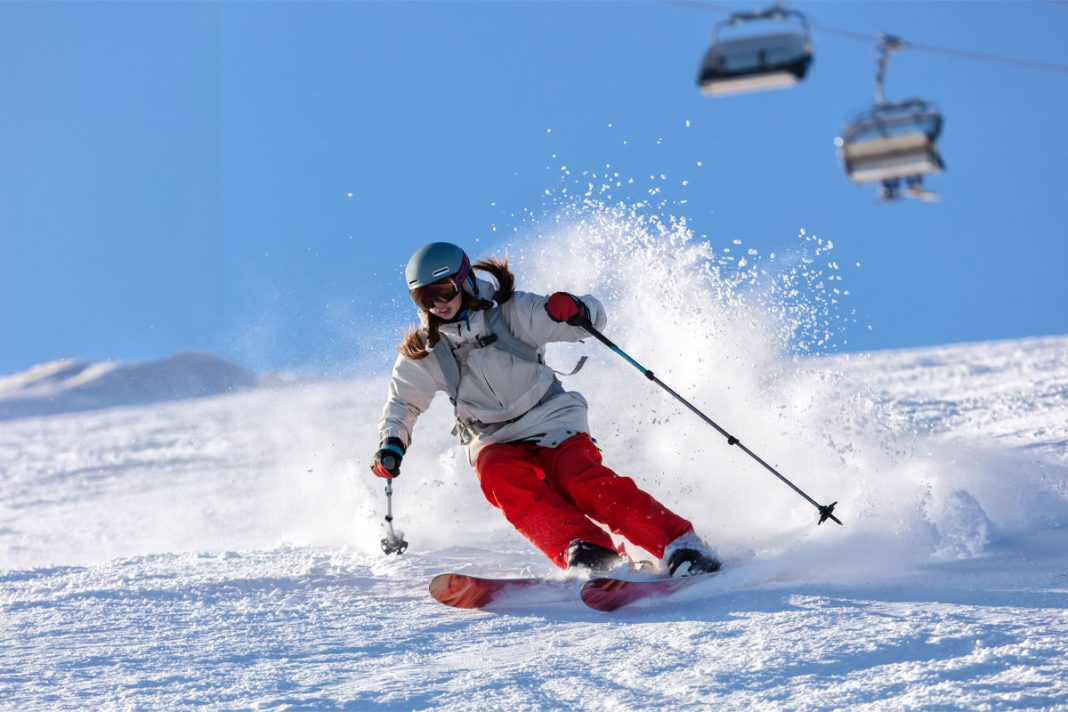
Structure of Zuschneidfelle
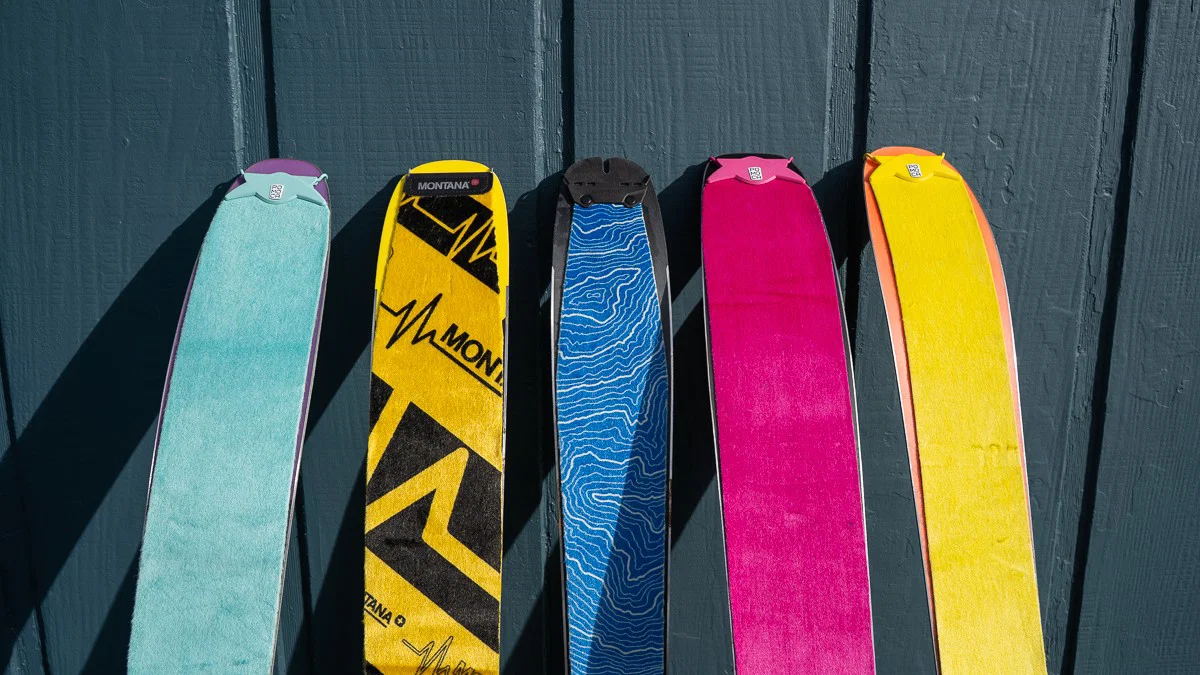
Zuschneidfelle are made of three main parts:
- The fiber surface that touches snow
- The adhesive layer that sticks to skis
- The attachment system that holds skin at tip and tail
Each part plays an important role in performance. If one part fails, the whole system becomes less effective.
Difference from Regular Ski Skins
Regular ski skins are often pre-cut or fixed in size. Zuschneidfelle are different because they allow full customization. This means skiers can match them exactly to ski shape, which improves performance on real mountain terrain.
How Zuschneidfelle Work on Snow
The main reason zuschneidfelle work is because of fiber direction. The fibers point backward. When skier moves forward, skis slide easily. When skier moves backward, fibers grip the snow and stop sliding.
This simple system allows controlled uphill movement.
Interaction with Snow Conditions
Zuschneidfelle work differently depending on snow conditions:
- Cold dry snow gives strong grip
- Wet snow can reduce efficiency
- Ice conditions require stronger nylon fibers
Role of Adhesive Layer
The glue layer is also very important. It must hold strongly during movement but still allow easy removal. High-quality adhesives are designed for freezing temperatures common in US mountain regions.
Types of Zuschneidfelle Materials
Mohair Zuschneidfelle
Mohair is a natural fiber from goats. It is very light and provides smooth glide. Skiers who travel long distances prefer mohair because it reduces energy use.
However, mohair is not the strongest in steep or icy conditions.
Nylon Zuschneidfelle
Nylon is synthetic and stronger than mohair. It gives better grip on steep slopes. It is also more durable and long-lasting.
The downside is slightly less glide compared to mohair.
Hybrid Zuschneidfelle
Hybrid skins combine mohair and nylon. They are the most popular option in the US because they balance grip and glide.
Most beginners and intermediate skiers prefer hybrid skins for all-around performance.
Importance of Custom Cutting Zuschneidfelle
Why Size Matters
If skins are not properly cut, they may cover ski edges. This reduces control and increases risk of slipping.
Proper cutting ensures that ski edges remain visible for better grip.
Performance Improvement
Custom-cut zuschneidfelle reduce drag and improve movement efficiency. Skiers can climb faster with less energy.
Safety Benefits
A well-fitted skin reduces chances of falling on steep slopes. This is very important in backcountry skiing where conditions can change quickly.
Step-by-Step Guide to Cutting Zuschneidfelle
Step 1: Alignment on Ski Base
First, the skin is placed on ski base to check alignment. It must cover full length but leave edges slightly exposed.
Step 2: Fixing Position
The skin is attached temporarily using tip and tail connectors. This keeps it stable during cutting.
Step 3: Trimming Process
A special cutting tool is used to trim extra material along ski edges. This step must be done slowly and carefully.
Step 4: Final Adjustment
After cutting, skins are checked for symmetry. Any uneven edges are corrected.
Step 5: Testing on Snow
Finally, skis are tested on snow to ensure proper grip and fit.
Tools Needed for Cutting Zuschneidfelle
To achieve a clean and accurate cut, several tools are recommended:
- Skin trimming tool
- Sharp utility knife
- Clean ski surface
- Stable workspace
Having proper tools ensures accuracy and prevents mistakes during cutting.
Zuschneidfelle Usage in US Ski Touring Regions
Colorado Mountains
Colorado has some of the most popular ski touring areas in the US. Steep terrain requires strong grip, making nylon or hybrid zuschneidfelle very useful.
Utah Backcountry Routes
Utah has deep powder snow. Lightweight mohair or hybrid skins perform well in these conditions.
California Sierra Nevada
This region has mixed snow conditions. Hybrid skins are often preferred due to changing weather.
Washington Cascades
Wet and heavy snow is common here. Strong adhesive and durable nylon blends are recommended.
Maintenance and Care of Zuschneidfelle
Cleaning After Use
After each tour, snow and dirt should be removed. This keeps glue and fibers in good condition.
Drying Method
Skins should be air dried at room temperature. Heat sources like heaters can damage glue.
Also Read:Brown v Board of Education: Full History, Impact & Supreme Court Decision (1954 Guide)
Storage Tips
They should be stored in a cool dry place with protective sheets. This prevents glue from sticking together.
Regular Inspection
Checking for wear and tear helps extend lifespan.
Buying Guide for Zuschneidfelle
Matching Ski Width
Always match skin width to ski size. This ensures proper fit and performance.
Choosing Material Type
- Beginners: Hybrid skins
- Long distance touring: Mohair
- Steep terrain: Nylon
Brand Quality Consideration
High-quality brands provide better adhesives and longer durability.
Budget vs Performance
Cheaper skins may wear out faster. Premium skins last longer and perform better.
Comparison of Zuschneidfelle Types
| Type | Grip | Glide | Durability | Best Use |
| Mohair | Medium | High | Medium | Long tours |
| Nylon | High | Medium | High | Steep climbs |
| Hybrid | High | High | High | All-around use |
Common Mistakes When Using Zuschneidfelle
Wrong Size Selection
Using wrong width reduces ski control.
Poor Adhesive Care
Dirty or wet skins lose sticking power.
Incorrect Storage
Folding skins incorrectly damages glue layer.
Skipping Maintenance
Not cleaning skins reduces performance over time.
Advanced Tips for Better Performance
Temperature Awareness
Cold snow improves grip. Warm snow requires careful movement.
Step Technique Improvement
Smooth stepping improves efficiency when using zuschneidfelle.
Waxing Skins
Some skiers apply special wax to reduce snow sticking.
Environmental Impact of Zuschneidfelle
Eco-Friendly Materials
Modern manufacturers use recyclable materials and safer adhesives.
Durability Focus
Long-lasting skins reduce waste and environmental impact.
Safety Considerations in Ski Touring
Avalanche Awareness
Always check avalanche conditions before using zuschneidfelle in backcountry areas.
Proper Gear Combination
Skins should be used with helmets, beacons, and proper clothing.
Terrain Knowledge
Understanding slope conditions is essential for safe climbing.
Future of Zuschneidfelle Technology
Also Read:Higher Education News Today: Latest Updates, Trends & US College Changes 2026
Lightweight Materials
Future skins will be even lighter for better efficiency.
Smart Adhesives
New glue technology may improve temperature resistance.
Snow-Resistant Coatings
Manufacturers are developing coatings that reduce snow sticking.
Conclusion
Zuschneidfelle are essential tools for ski touring, providing grip, safety, and efficiency during uphill movement. Their custom-cut design makes them more effective than standard skins.
For US skiers exploring mountains in Colorado, Utah, California, and Washington, choosing the right zuschneidfelle can greatly improve performance and safety. With proper selection, cutting, and maintenance, these climbing skins can last for years and support many successful ski tours.
Understanding zuschneidfelle is not just about equipment. It is about improving control, saving energy, and making mountain travel safer and more enjoyable.
Frequently Asked Questions About Zuschneidfelle
What makes zuschneidfelle different from normal ski skins?
Zuschneidfelle are custom-cut climbing skins that are trimmed to match the exact shape of your skis. This improves grip, reduces drag, and increases control compared to standard pre-cut skins.
Can zuschneidfelle be used on all ski types?
Yes, they can be used on most ski touring and alpine touring skis. However, proper sizing and cutting are important to ensure they fit your specific ski width and shape.
Do zuschneidfelle lose grip over time?
Yes, like all climbing skins, they can lose grip due to dirt, wear, and aging glue. Regular cleaning and proper storage help maintain their performance for a longer time.
Are zuschneidfelle good for beginners?
Yes, they are beginner-friendly once properly fitted and installed. Beginners usually find hybrid skins easier because they balance grip and smooth movement.
How do I know if my zuschneidfelle are cut correctly?
Correctly cut skins leave the ski edges slightly exposed on both sides. This ensures better control and prevents unnecessary friction while climbing.
Can zuschneidfelle be reused after removal?
Yes, they are designed for repeated use during multiple climbs and ski tours. You just need to store them properly to protect the adhesive layer.
What is the biggest mistake people make with zuschneidfelle?
The most common mistake is incorrect sizing or poor cutting, which covers ski edges and reduces performance. Another issue is improper storage that damages the glue.

